Is Fall a Good Time to Sell Your Home?


Spring has always had the reputation of being the “best” time to sell a home. More buyers come into the market, the snow disappears, properties look better and families often want to move before the next school year.
But does that automatically mean you should wait?
Not necessarily.
The best time to sell your Sudbury home depends less on the season and more on your property, your competition, current market conditions and, most importantly, what works for you.
One of the biggest advantages of selling in the fall is something sellers sometimes overlook: less competition.
Spring typically brings more buyers, but it can also bring considerably more homes onto the market.
When buyers have 15 similar properties to choose from, they can afford to be selective. When there are only five? Your home may get a lot more attention.
A well-presented and properly priced home can still stand out in the Greater Sudbury market during September, October and even into November.
There may also be buyers who have a reason to purchase sooner rather than later. They could be relocating to Sudbury, starting a new job, going through a life change, moving from another community or simply trying to find the right property after spending months looking.
These aren’t necessarily casual buyers.
Some are ready to make a decision.
There are also perfectly good reasons to wait.
If your property needs repairs, painting, decluttering or other improvements, giving yourself a few extra months could help you present the home at its best.
Certain properties can also benefit significantly from spring and summer presentation.
A beautiful backyard, extensive landscaping, acreage, waterfront, gardens or outdoor entertaining areas aren’t always easy to appreciate when they’re buried under a Sudbury winter.
Waiting can also make sense if selling this fall would put unnecessary pressure on you.
Real estate decisions shouldn’t be based entirely on trying to predict the market.
Your personal timeline matters too.
Probably.
But here’s the other side of that equation.
There will probably be more sellers too.
Imagine putting your home on the market when there are only a handful of comparable properties available.
Now imagine listing the same house when several similar homes hit the market within two weeks.
More buyers don’t automatically mean a better result if those buyers also have considerably more choice.
That’s why I look closely at competition, not simply the number of buyers in the market.
Every property is different, but certain features can be particularly attractive to buyers in Northern Ontario.
Homes with garages are always worth paying attention to. Once you’ve scraped ice off a windshield at 7:00 a.m. in January, a garage starts looking pretty good.
Other features buyers may appreciate include:
· Updated kitchens and bathrooms
· Finished basements
· Additional bedrooms or home-office space
· Energy-efficient heating
· Newer windows, roofing or mechanical systems
· Large driveways
· Storage
· Secondary suites or income potential
· Properties requiring minimal immediate work
Location matters as well.
Buyer demand can vary considerably between New Sudbury, the South End, Minnow Lake, Chelmsford, Azilda, Hanmer, Val Caron, Lively and other Greater Sudbury communities.
That’s one reason I don’t like making blanket statements about “the Sudbury market.”
There isn’t really one Sudbury real estate market.
There are many smaller markets within it.
Interest rates certainly influence affordability and buyer confidence, but I wouldn’t make a selling decision based entirely on trying to predict where rates will be six months from now.
Rates could improve.
Home prices could change.
Inventory could increase.
Buyer demand could strengthen or weaken.
Nobody knows exactly what the market will look like next spring.
Instead, I prefer looking at what we actually know today and then comparing it with your goals.
There’s another part of the equation that doesn’t get enough attention:
What are you buying after you sell?
Suppose you wait six months hoping your current home increases in value.
Great.
But if the type of property you’re planning to buy also increases in value, did waiting actually put you further ahead?
Maybe. Maybe not.
The sale price is only one side of the transaction.
Your next move matters just as much.
This is especially important if you’re downsizing, upsizing, moving outside Sudbury or purchasing another property locally.
This is another reason some homeowners delay listing.
They assume they need to renovate first.
Sometimes improvements make sense. Sometimes they don’t.
Spending $30,000 on renovations doesn’t guarantee you’ll get an additional $30,000 when you sell.
Before tackling a major renovation specifically for resale, I recommend looking at comparable homes that have actually sold.
You may discover that some inexpensive improvements would make a bigger difference than a major renovation.
Paint, lighting, decluttering, small repairs and improving curb appeal can sometimes change a buyer’s first impression without changing your bank balance quite as dramatically.
Here’s the answer nobody loves hearing:
It depends.
But that’s also the truthful answer.
Selling this fall may make sense if your home is ready, there’s limited competition in your neighbourhood and the timing works well for your next move.
Waiting until spring may make more sense if your property would benefit from improvements, its outdoor features are an important part of its value or you’re simply not ready yet.
The mistake is assuming spring is automatically better.
It isn’t always.
You don’t need a For Sale sign going up next week to start preparing.
In fact, I’d rather speak with a homeowner several months before they’re ready.
It gives us time to look at recent comparable sales, current competition and potential improvements without rushing anything.
Then we can answer three important questions:
What could your home realistically sell for today?
What, if anything, should you do before selling?
And does selling now actually make sense for you?
Sometimes the answer will be to list.
Sometimes the better advice will be to wait.
Either way, you’ll have a plan.
If you’re thinking about selling a home anywhere in Greater Sudbury this fall or you’re wondering whether waiting until spring 2027 makes more sense, I’d be happy to take a look at your situation.
No pressure. No sales pitch.
Just good information so you can make the decision that’s right for you.
Stephane Turmel, Real Estate Broker
eXp Realty Inc, Brokerage
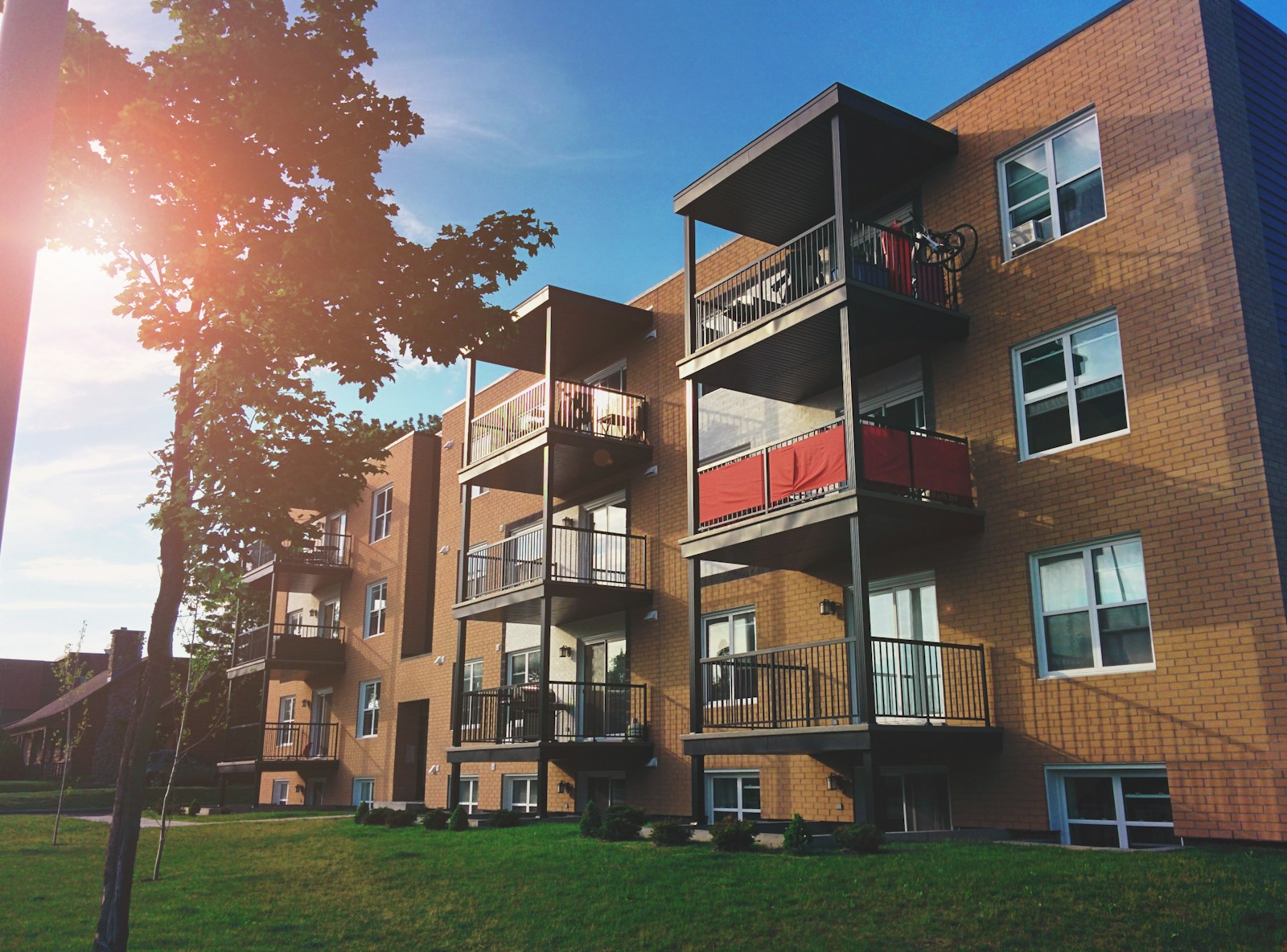
Real estate has long been recognized as one of the most reliable ways to build long-term wealth, and multi-family properties continue to attract investors seeking consistent income and portfolio growth. Unlike single-family homes, multi-family properties contain two or more residential units within the same building or complex, creating multiple streams of rental income from a single investment.
One of the greatest advantages of multi-family investing is the ability to generate stronger cash flow. With multiple tenants contributing rent each month, investors are less vulnerable to income disruptions. For example, if one tenant moves out, the remaining occupied units can still produce revenue while a replacement tenant is found. This can provide greater financial stability compared to a single-family rental, where one vacancy means zero rental income.
Another benefit is scalability. Managing several units under one roof is often more efficient than owning multiple single-family properties scattered across different locations. Maintenance, property management, and operational costs can frequently be streamlined, helping investors improve profitability over time.
Multi-family properties can also appreciate in value as rental income increases. Investors who improve occupancy rates, renovate units, or enhance property management practices may increase both cash flow and overall property value. For many investors, this combination of income generation and appreciation makes multi-family real estate an attractive wealth-building strategy.
Whether you're a first-time investor or an experienced real estate professional, multi-family properties offer opportunities to diversify income, reduce risk, and create long-term financial growth.

While multi-family investing offers significant advantages, purchasing the right property requires careful evaluation. Conducting thorough due diligence before making an investment can help you avoid costly mistakes and improve your chances of success.
One of the most important steps in evaluating a multi-family property is understanding its financial performance. Investors should carefully review current rental income, occupancy rates, lease agreements, and historical financial records.
In addition to income, it's essential to examine operating expenses. Property taxes, insurance, maintenance costs, utilities, property management fees, and repair expenses can significantly affect profitability. A property may appear attractive based on rental income alone, but hidden costs can quickly reduce returns.
Before purchasing, calculate the property's projected cash flow by subtracting all operating expenses and financing costs from expected rental income. Positive cash flow is generally a key indicator of a healthy investment and can provide a financial cushion during market fluctuations.
The success of a multi-family investment is often closely tied to its location. Properties located in growing communities with strong employment opportunities, quality schools, public transportation, and convenient amenities tend to attract and retain tenants more easily.
Research local rental demand, population trends, and economic development plans before investing. Areas experiencing job growth and infrastructure improvements often present stronger opportunities for long-term appreciation and rental income growth.
It's also beneficial to evaluate neighborhood safety, nearby shopping centers, healthcare facilities, and recreational options. These factors can influence tenant satisfaction and occupancy rates.
By selecting a property in a desirable location with strong rental demand, investors can improve tenant retention, reduce vacancies, and position themselves for sustainable long-term success.
Multi-family real estate investing can be a powerful strategy for building wealth and generating passive income. By focusing on properties with strong cash flow potential and desirable locations, investors can make more informed decisions and increase their chances of achieving long-term financial success. With proper research and planning, a multi-family property can become a valuable asset that supports both immediate income goals and future wealth creation.
If you have any questions regarding investment properties, don’t hesitate to contact me.

Welcome to our Real Estate Blog! Here you can find timely updates of my latest properties, open houses, just solds and much more.
Whether you are interested in buying or selling real estate, I am here to help guide you every step of the way.
If you have any questions about real estate from home evaluations to mortgages to searching for properties in your area, don't hesitate to contact me today!